Camellia: The Handwritten Typeface for Crafters and Product Creators
If you create physical products by hand—whether it's vinyl decals for mugs, handwritten-style labels for candles, or layered SVG designs for seasonal signs—you know the right typeface can transform a project. I've tested dozens of script fonts over the years, and Camellia stands out as a handwritten typeface that balances charm with real-world usability. It carries a girly, delicate feel without becoming fussy or hard to read at small sizes. For anyone selling handmade goods or designing printable templates, this font deserves a close look.
What Camellia Brings to Your Craft Projects
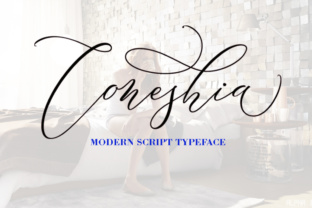
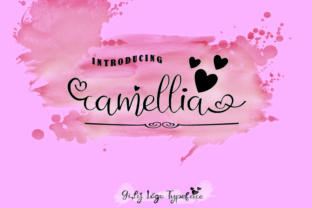
Camellia is a girly handwritten typeface built for beauty and versatility. Its letterforms feel natural, like brush pen calligraphy from a skilled hand, but each character is carefully digitized for consistency. The result is a font that looks organic across every application—from a birthday invitation to a farmhouse sign. The curves are soft, the slant is gentle, and the overall personality reads as feminine, warm, and approachable. It evokes the feel of a boutique brand without being overly ornate.
What I appreciate most as a small shop owner is that Camellia works equally well for short phrases on a product label and for decorative wording on a greeting card. It never looks forced or crowded. The spacing is generous enough to stay readable, even when you cut it into a small sticker using a Cricut or Silhouette machine.
Practical Ways to Use Camellia in Your Handmade Business
Every crafter needs fonts that earn their keep. Camellia shines across multiple product categories. Below are the applications where I've found it most effective, along with tips to make the most of its design.
Labels and Packaging
For handmade sellers, product labels are often the first impression. Camellia works beautifully on candle labels, soap wrappers, and boutique tags. Its handwritten style adds a personal touch that customers associate with small-batch quality. I've used it for client bath bomb labels and received comments about how the packaging looked "like it came from a high-end shop." The font's natural rhythm keeps the brand feeling authentic, not corporate.
When designing labels, keep the text short—product names, scent notes, or your shop name. Camellia handles longer ingredient lists if you size it correctly, but its true strength is in display use for the most important words.
Invitations and Stationery
Wedding invitations, bridal shower cards, and birthday party stationery are natural fits. Camellia creates a romantic, girly mood that pairs perfectly with floral motifs pastel color schemes. For a recent client's wedding welcome board, I used Camellia for the couple's names and the phrase "Welcome to Our Day." The readability at distance was excellent, even on a 24x36-inch foam board.
For greeting cards and planner pages, this font brings a consistent handwritten aesthetic that customers love. It's especially effective for sentiments like "Thinking of You" or "You're the Best." The emotional appeal is immediate because the lettering feels human.
SVG Designs for Cutting Machines
Cricut users and Silhouette users will appreciate how Camellia weeding and layers. The letters connect naturally without excessive thin hairlines that break under a blade. I've used it for mugs, tote bags, and shirts with vinyl, and it cuts cleanly at sizes as small as 1.5 inches. For larger designs on signs, the font holds its shape beautifully.
One tip: when creating layered SVG designs, pair Camellia with a simple sans serif font for secondary text. This creates visual hierarchy and prevents the design from feeling too busy.
Seasonal and Holiday Projects
Holiday product packaging and seasonal craft designs benefit from Camellia's warm personality. Think Valentine's Day candy tags, Christmas gift labels, or Easter basket signs. The font's girly quality works especially well for Mother's Day items and spring-themed decor. I've created limited-edition farmhouse signs for fall markets using Camellia for phrases like "Gather Here" and "Thankful & Blessed." Customers consistently say the lettering feels "cozy and inviting."
How Camellia Elevates Product Presentation and Brand Identity
Your choice of typeface directly affects how customers perceive your products. A handwritten font like Camellia signals care, artistry, and attention to detail. When a shopper sees consistent typography across your product packaging, social media graphics, and web design, they build trust in your brand. This is where brand consistency begins.
For logo design within a craft context—say, a boutique name on a hang tag—Camellia delivers a distinctive look that competitors using generic fonts can't match. The emotional appeal is immediate: customers perceive the product as higher quality, more thoughtful, and worth a premium price. Over time, this recognition becomes part of your brand identity.
Readability and Practical Advice for Craft Production
One concern with handwritten fonts is readability at small sizes or on cutting machines. Camellia handles these challenges well, but a few practices help ensure success:
- Test at target size early. If you're making small stickers or product labels (under 1 inch), print a sample or cut it in vinyl before committing to a full run. Camellia is readable at small sizes, but extremely small text may lose legibility.
- Use uppercase or mixed case for maximum clarity. All-caps in a handwritten font can sometimes feel cramped; Camellia's lowercase letters flow beautifully and are easier to read in longer phrases.
- Mockup previews matter. Before listing a new product, create a mockup with Camellia in your design software. Seeing the font on a mug or candle helps you judge spacing, contrast, and overall appeal.
For printed cards and printable wall art, Camellia prints crisply at sizes from 12pt to 72pt. The thin strokes are substantial enough to survive standard home printers and laser cutting. I've used it on premium cardstock for wall art prints and received no complaints about smudging or unclear letter edges.
Font Pairing Ideas with Camellia
Pairing Camellia with a complementary font elevates your designs and keeps them from feeling one-note. Here are pairings I've tested in real projects:
- Camellia + a simple sans serif font (like Montserrat or Lato): Use Camellia for the main headline or name, and the sans serif for product details, ingredients, or secondary text. This combination works perfectly for product labels and boutique tags.
- Camellia + a bold display font (like Oswald or Bebas Neue): The bold font anchors the design while Camellia adds softness. Great for farmhouse signs or wedding welcome boards where you want one strong headline and a supplementary phrase.
- Camellia + a simple serif font (like Playfair Display or Lora): This pairing evokes elegance and works well for invitations, stationery, and printable wall art. The serif font provides structure while Camellia brings the handmade charm.
When pairing, keep contrast in mind. Camellia is a script font with a girly personality, so choose a partner that is clean and neutral. Avoid pairing it with another ornate script or handwritten font unless you're creating a deliberate, maximalist look.
What to Look for in the Camellia Font Files
Before you download Camellia, check what's included in the package. A well-prepared font set should offer:
- Multiple file formats (usually OTF, TTF, and sometimes WOFF for web use). The OTF format is generally best for design software, while TTF works across most cutting machine programs.
- Alternates, ligatures, and swashes. These extras let you customize the look—for example, swapping a standard letter for a swash version to create a more decorative feel. They're especially valuable for logo design and invitation wording.
- Multilingual support if you sell to international customers or use accented characters. This is increasingly important for social media graphics and global shop listings.
If the product listing mentions "a stunning set," it likely includes these extras. Always open the font in a preview tool to see all available characters before starting a major project.
Commercial Licensing: What You Need to Know
If you sell physical products, templates, or digital downloads that include Camellia, you need the appropriate commercial license. Standard font licenses for personal use do not cover selling physical products (like mugs, stickers, or labels) or digital goods (like printable templates, SVG designs, or downloadable wall art).
For a craft business, look for a license that explicitly permits:
- Selling physical products with the font embedded (e.g., vinyl decals, printed cards, mugs, shirts).
- Creating templates or printables for sale where the text is part of the design.
- Client work—for example, designing wedding invitations or branding packages for other businesses.
Always read the license terms carefully. Some font designers restrict the number of products or require an extended license for certain uses. When in doubt, contact the creator directly. Protecting your business with proper licensing avoids legal headaches and supports the designers who make these tools possible.
Why Camellia Deserves a Place in Your Font Collection
Camellia is more than a pretty script font. It's a practical tool for crafters who need a handwritten typeface that works across physical products, digital templates, and client projects. Its girly personality appeals to a wide range of customers—from brides planning their wedding to shoppers looking for cozy home decor. When used thoughtfully, it elevates product presentation, strengthens brand consistency, and creates an emotional appeal that turns browsers into buyers.
Whether you're designing candle labels, birthday invitations, farmhouse signs, or printable wall art, Camellia delivers the beauty and reliability your business demands. Add it to your collection of design assets, pair it with a clean sans serif or serif font, and watch your products stand out with handmade charm.